Why Your Waterproofing Contractor in Johannesburg is Failing to Stop Rising Damp
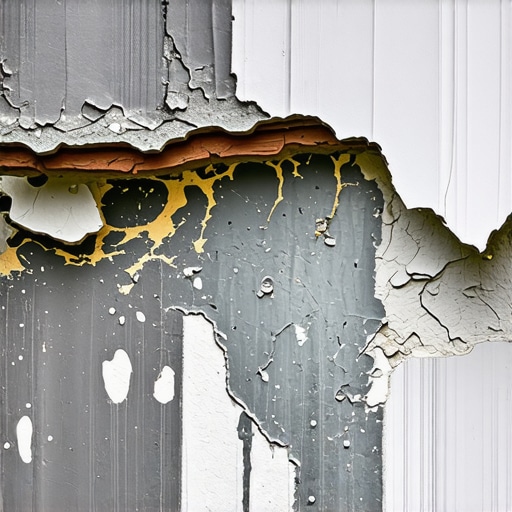
For many property owners in Gauteng, the sight of bubbling paint, white salty deposits, and a persistent musty smell at the base of their walls is a recurring nightmare. You hire a professional, pay for a solution, and for six months, everything looks pristine. Then, the first heavy summer rains hit, and the damp returns with a vengeance. The frustration is palpable. Why is it that so many waterproofing companies Johannesburg residents trust seem unable to provide a permanent fix?
As DRI, a specialist with decades of experience in the South African construction and waterproofing industry, I have seen this cycle repeat itself thousands of times. The failure isn’t always due to a lack of effort; often, it is a fundamental misunderstanding of the physics of moisture and the unique geological challenges of the Highveld. Most contractors focus on the symptoms – the peeling paint and the unsightly stains – rather than the structural root cause. To truly stop rising damp, we must move beyond “quick fixes” and look at the building as a cohesive, breathing organism. This guide will dismantle the common myths and explain exactly why your previous attempts at damp-proofing have failed.
The Misdiagnosis: Rising Damp vs. Penetrating Damp
The first reason for failure is almost always a misdiagnosis. In the industry, we often see contractors treat every wet patch at the bottom of a wall as rising damp. However, there is a massive technical difference between rising damp and penetrating damp, and treating one with the methods intended for the other is a recipe for expensive failure. Rising damp is specifically the result of capillary action. Think of your wall like a wick in an oil lamp; it draws moisture upwards from the saturated soil beneath the foundations because the original Damp Proof Course (DPC) has either perished or was never installed correctly.
Conversely, penetrating damp is moisture entering the building through the envelope – often due to roof repairs Midrand issues, failing window seals, or cracks in the external plaster. A critical data point every homeowner should know: true rising damp rarely climbs above 1.2 meters. This is due to the battle between capillary pull and gravity. If you see damp patches at 1.5 or 2 meters high, you aren’t dealing with rising damp; you are likely looking at a failure in your IBR roof waterproofing or a leaking internal pipe.
If a contractor suggests a DPC injection for a patch of damp that is halfway up your wall, they are misdiagnosing the issue. In many Johannesburg homes, what looks like rising damp is actually “bridging.” This happens when external garden soil or paving is built up higher than the internal floor level, allowing moisture to bypass the DPC entirely. Before signing a quote, ask your contractor to use a moisture meter and a thermal imaging camera to trace the moisture path. Without knowing whether the water is coming up from the earth or down from a faulty roof, any repair is just guesswork. This is also why understanding the exact number of internal links your new post needs for SEO is similar to structural integrity – you need the right amount of support in the right places.
Why Standard “Damp-Proofing” Paints Fail in the Highveld
Go to any hardware store in Hatfield or Silverton, and you will find aisles dedicated to “damp-proof” paints and sealants. These products are the primary weapon of the amateur contractor. They promise a one-coat solution to stop moisture in its tracks. In reality, these paints are often the reason the problem gets worse.
The Highveld presents a unique challenge: a high water table combined with intense afternoon heat. When you apply a waterproof paint over a damp wall, you are effectively “capping” the moisture inside the masonry. Because the water cannot evaporate through the paint, the hydrostatic pressure builds up behind the coating. Eventually, the pressure becomes so great that it pushes the paint off the wall in large flakes, often taking a layer of plaster with it. This is particularly prevalent in older suburbs where the bricks are more porous.
To fix rising damp in areas like Hatfield, you cannot simply block the water; you must create a new chemical barrier within the wall itself. This involves a chemical DPC injection – drilling into the mortar course and injecting a silane/siloxane cream that creates a hydrophobic layer. This prevents the capillary action from occurring in the first place. If your contractor is reaching for a paintbrush before a drill, they are offering a cosmetic mask, not a structural solution. Furthermore, the use of low-quality acrylic sealants in the Silverton climate is a waste of resources, as the high UV index in Gauteng causes these materials to embrittle and crack within a single season.
The Role of Structural Movement and Expansion Joints
Johannesburg is built on a variety of soil types, but the most problematic for waterproofing is heaving clay. As the moisture content in the soil changes between our dry winters and torrential summer storms, the earth expands and contracts, causing the entire structure of a building to move. This movement creates micro-cracks in the foundations and walls – entry points for moisture that no standard paint can bridge.
For large-scale commercial structures, such as those near OR Tambo International, structural movement is managed through specialized industrial expansion joints. However, in residential settings, these movements are often ignored. When a wall cracks due to settlement, the waterproof barrier is broken. This is why we advocate for the use of EPDM (Ethylene Propylene Diene Monomer) in critical areas. EPDM is a synthetic rubber with incredible elasticity – it can stretch and return to its original shape as the building moves, ensuring the seal remains intact even when the masonry doesn’t.
Many waterproofing contractors East Rand residents hire fail to account for this movement. They apply rigid cementitious slurries that crack the moment the house “breathes.” If you are dealing with damp near a corner or a joint, it is likely a movement-related failure. You might also find that why your cantilever carport installation is sagging at the joints is a similar structural issue related to movement and weight distribution. In industrial applications near the airport, we see that the failure to maintain expansion joints leads to catastrophic water ingress that can undermine the very slabs the buildings stand on.
Roof Leaks Masquerading as Rising Damp
One of the most overlooked aspects of damp-proofing is the “top-down” effect. It is a common phenomenon in Lynnwood and Centurion for a homeowner to complain about damp at the foot of an internal wall, only for us to discover the water is entering through the roof.
When an IBR or corrugated iron roof waterproofing system fails, water can enter the ceiling space and run down the inside of the wall cavity. Because the water follows the path of least resistance, it often pools at the bottom of the wall, where it eventually soaks through the plaster. To the untrained eye, this looks exactly like rising damp. However, no amount of foundation treatment will fix it.
Key areas of failure include:
- Roof ridge waterproofing: The ridge capping is the most vulnerable part of a metal roof. If the roof ridge waterproofing is done with cheap “membrane and goop” methods, it will fail under the Highveld sun.
- Failing Flashings: Around chimneys or parapet walls, flashings must be stepped and tucked into the masonry.
- Valley Gutters: Blocked or rusted valleys cause water to back up under the tiles or sheets.
When investigating damp in Centurion, we always start with a roof inspection. The standards for roof waterproofing Pretoria contractors must follow are high because of the sheer volume of water our storms drop in short bursts. If your contractor hasn’t climbed onto your roof to check the IBR sheets, they haven’t done a complete job. This is as critical as checking for the hidden schema type for professional credentials and awards when vetting a digital specialist – the details you can’t see are often the most important.
Advanced Solutions: From Torch-on to Chemical Injections
So, what does a real solution look like? It depends entirely on the substrate. For flat concrete roofs, which are common in modern Johannesburg architecture, the gold standard remains torch-on waterproofing. At logilinewaterproofing.co.za, the process involves fusing a bitumen-based membrane to the concrete using a propane torch. This creates a seamless, impermeable layer. However, many waterproofing contractors East Rand skip the vital step of applying a bitumastic primer or failing to ensure the correct “lap” between sheets, leading to leaks within months.
For foundations and rising damp, the approach is different. We often use a combination of:
- Negative Side Waterproofing: Applying specialized coatings to the inside of a wall that can withstand hydrostatic pressure. This is common at logilinewaterproofing.co.za for basement tanking.
- Crystalline Waterproofing: A technology where the coating reacts with moisture to grow crystals inside the pores of the concrete, effectively plugging them from the inside out. This is often used for logilinewaterproofing.co.za reservoir projects.
- Chemical DPC: As mentioned, the injection of silane creams to stop the “wicking” effect.
In waterproofing Centurion projects, we often see that the failure is due to using the wrong material for the job. For example, using a bitumen torch-on system on a corrugated iron roof is a mistake; the metal expands too much for the bitumen to stay bonded. For metal roofs, a high-quality liquid-applied acrylic or EPDM system is far superior. Understanding these nuances is what separates a professional from a “bakkie builder.” Just as knowing 7 things that actually drive up your steel carport installation quote in Johannesburg helps you budget, knowing these technical specs helps you ensure your home stays dry.
Checklist: How to Vet a Johannesburg Waterproofing Specialist
Before you hire your next contractor, you need to put them through a rigorous vetting process. Johannesburg is full of fly-by-night operations that disappear as soon as the check clears. To find a legitimate specialist among the many waterproofing companies Johannesburg has to offer, look for the following:
- Do they offer a guarantee? A reputable company should offer at least a 5 to 10-year guarantee on their workmanship and materials. Ask if the guarantee is backed by the manufacturer.
- What materials do they use? If they mention “standard roof paint” for a rising damp issue, walk away. Ask about EPDM, chemical injections, and torch-on specifications.
- Do they understand the local geology? A contractor who doesn’t know about the heaving clays of the Highveld won’t understand why your walls are cracking.
- Can they show local references? Ask for projects they have completed in Lynnwood, Midrand, or the East Rand.
- Technical Equipment: Do they use moisture meters or are they just “feeling” the wall?
The cost of doing it wrong is always higher than the cost of doing it right the first time. Often, homeowners try to save money by going with the lowest quote, only to spend three times that amount over the next five years on “patch-up” jobs. To truly compete in this market, contractors must understand how to outrank national franchises for Pretoria steel carport searches by proving their local expertise and technical superiority.
In conclusion, your waterproofing is failing because it likely ignores the structural reality of your building. Whether it is a failure to address roof ridge waterproofing, a misunderstanding of the 1.2-meter rule for rising damp, or the use of rigid materials in a moving environment, the solution requires a technical, engineering-first approach. Don’t settle for another coat of paint. Demand a structural solution that addresses the hydrology of your site and the physics of your home.