The Workshop of Digital Identity
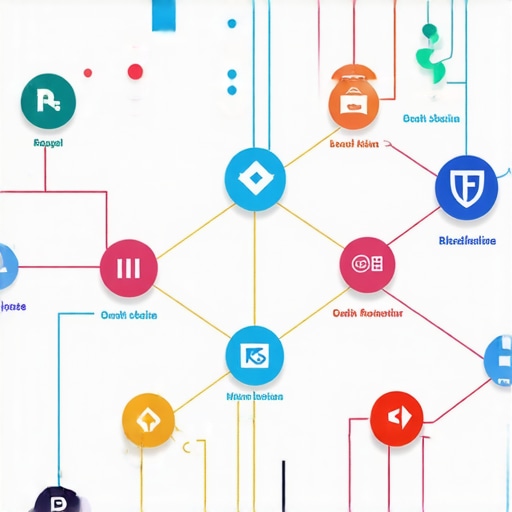
The scent of linseed oil and aged varnish hangs heavy in my workshop. I spent thirty years fixing chairs that people thought were junk because a single joint failed. Modern branding feels like that. It is mostly cheap particle board held together with hope and a few shiny pixels. In 2026, the search engines do not care about your glossy logo or your frantic social media posts. They care about the grain of your data. To link your brand entities in the Knowledge Graph, you must stop thinking like a marketer and start thinking like an antique restorer. You need to identify the exact point where one piece of information fits into another. This is the only way to avoid becoming a ghost in the search results. If you want a brand that survives the next algorithm shift, you must build it with a permanent @id and a global identifier that the bots cannot ignore.
The BLUF for the Weary Builder
To link brand entities, use a persistent @id URI across all schema types, especially Organization and LocalBusiness. Connect these to third-party verification nodes like Wikidata or LinkedIn via the sameAs property to ensure the Knowledge Graph recognizes your business as a singular, authoritative object rather than a collection of disconnected pages.
The Technical Joinery of @id and sameAs
When I restore a 19th-century desk, I look for the maker’s mark. In the digital terrain, that mark is your URI. Most people fail because they treat every page as a new piece of wood. They forget the glue. In the world of entity-based SEO, the glue is the @id field. This is a non-resolving URL that acts as a unique serial number for your business. It tells the bot that the brand mentioned on your homepage is the exact same entity that wrote the blog post or sold the product. Without this, your authority leaks out through the cracks. Beyond that, you need to use the sameAs property. Think of this as a reference letter from a respected craftsman. By pointing your schema to your official Wikipedia entry or your Crunchbase profile, you are providing the search engine with proof of your existence. This is why your brand identity is missing from search results if you only rely on text on a page. You have to sand down the ambiguity. You have to make the connection so tight that a machine can feel the fit.
Technical Reading List: The Builder’s Reference
- How to link your brand entities with simple schema
- The simple schema tweak for better brand recognition
- 3 schema methods to verify your professional licenses
- The missing schema field that validates your business
Regional Grain and Local Authority
In Scottsdale, the heat ruins the finish on wood if you aren’t careful. Digital markets are the same. A brand that works in a vacuum fails when it tries to sit on a local shelf. You must ground your entity in a physical reality. This means using the LocalBusiness schema to tie your global brand to a specific latitude and longitude. I see too many shops in the Valley of the Sun forget to mention their local landmarks or their specific service areas in their code. They think a zip code is enough. It isn’t. You need to connect your local entity to your main brand entity using the ‘parentOrganization’ property. This creates a hierarchy. It is like the legs of a table supporting the top. If the legs are weak, the whole thing collapses. This is exactly why your business is invisible on local map packs. You haven’t proven to the machine that your Scottsdale shop is part of your larger, trusted identity. You are just another piece of driftwood in the desert.
The Friction of Modern Misconceptions
People tell you that more content is the answer. They are wrong. Most content is just sawdust. It gets in the eyes and makes a mess. If you have ten pages talking about the same thing but none of them are linked via entity schema, you are just confusing the bot. It is better to have one solid piece of oak than a pile of shavings. A common error is using different names for your brand across different platforms. In my shop, a dovetail is a dovetail. If you call it a ‘finger joint’ on Twitter and a ‘wedge’ on your website, the Knowledge Graph gets a headache. This inconsistency is the primary reason for the broken schema connection hiding your best reviews. If the bot can’t be 100% sure the review belongs to you, it won’t show the stars. It won’t trust the data. You are wasting your time and mine.
Technical Reading List: Fixing the Cracks
- The schema field that shows real-time product stock
- How to organize your schema for better rich snippets
- The schema tweak that fixes your author snippets
- The specific schema fix for better local visibility
The Reality of Search in 2026
The old guard of SEO thought they could trick the system with hidden text and keyword stuffing. Those days are gone. The new engines are looking for structural integrity. They want to see that you are a real person or a real company with a real history. They are looking for the ‘knowsAbout’ property in your schema. They want to see that your brand entity is connected to other authoritative entities in your niche. If you are a plumber, your code should link you to the concept of ‘plumbing’ on Wikidata. If you are an antique restorer like me, I should be linked to ‘woodworking’ and ‘conservation.’ This creates a web of trust. It is not about how many links you have, but about the quality of the nodes you are connected to. The machine is becoming a connoisseur of detail. It can spot a fake from a mile away.
Common Questions from the Woodshop
Does linking to social media count as entity linking? Yes, but only if you use the sameAs property. Just putting an icon in your footer is like leaning a board against a wall. It isn’t a joint. You need to weld it into your schema code so the relationship is permanent.
How many sameAs links is too many? Don’t overdo it. Focus on the big three: Wikipedia/Wikidata, an official corporate registry, and your strongest social profile. Too many links make the code look cluttered and desperate.
Can I change my @id URI later? You can, but you shouldn’t. It is like trying to change the foundation of a house while you are living in it. Pick a URI and stick with it for the life of your brand.
Why does my Knowledge Panel keep disappearing? Likely because your entity signals are conflicting. Check your NAP (Name, Address, Phone) consistency and make sure your schema matches your Google Business Profile exactly.
Is entity linking only for big brands? No. Small shops need it even more. It is the only way to compete with the giants who have massive advertising budgets. A well-built entity is a level playing field.
The Final Polish
I don’t ship a piece of furniture until the finish is smooth as glass. Your brand deserves the same attention. Take the time to audit your code. Look for the gaps where your brand mentions are floating free. Connect them. Tie them down. Use the tools available to you to verify that the Knowledge Graph sees you for what you are: a solid, reliable entity in a world of plastic clones. If you need help getting the joinery right, start by looking at your metadata before the search engines decide to rewrite it for you. A little work now saves a lot of rot later. Get your tools out and start building something that lasts.