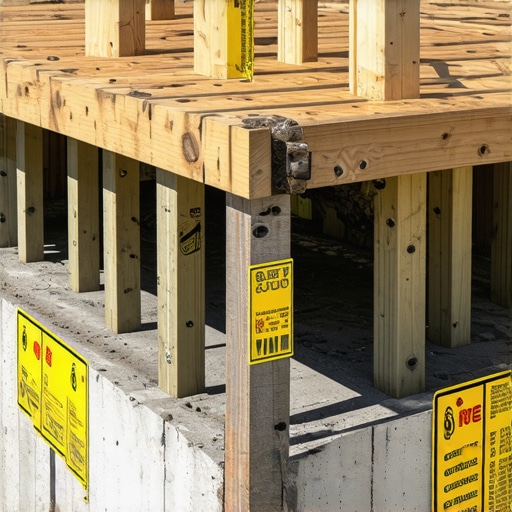
Why Your Ogden Deck Foundation Might Be Violating Local Safety Codes
When homeowners in Northern Utah begin dreaming of a backyard transformation, their minds immediately go to the aesthetics. They envision the sleek finish of trex deck boards, the modern lines of cable deck railing systems, or the warm, sandy tones of deckorators venture sandbar. As a deck builder with years of experience here in Ogden, I’ve seen thousands of beautiful designs. However, as Nick Ledbetter, I can tell you that the most critical part of your deck is the part you will hopefully never see again: the deck foundations. In our unique climate, the difference between a deck that lasts thirty years and one that becomes a legal and physical liability often comes down to a few inches of concrete buried deep in the dirt.
The reality is that many decking footers in the Ogden area are currently in violation of local safety codes. Whether they were built by a well-meaning DIYer or a contractor looking to shave a few hundred dollars off a bid, these structural shortcuts pose a significant risk. In Utah, we deal with extreme temperature fluctuations and specific soil compositions that demand more than just a “standard” approach. If you are looking for composite decking or traditional wood, you must first ensure your foundation can handle the load and the environment. This guide will walk you through the technical requirements and common pitfalls of deck construction in Ogden, North Ogden, and the surrounding Wasatch Front.
The “30-Inch Rule” and Ogden Permit Requirements
One of the most common misconceptions I encounter is that “minor” decks don’t require permits. In Ogden City and North Ogden, the building departments are very specific: any deck that is attached to the primary structure (your house) or is more than 30 inches above the finished grade requires a building permit. This isn’t just a bureaucratic hurdle; it’s a safety measure. When you apply for a permit for your ogden decks, the city reviews your plans to ensure the structural integrity of the build, specifically focusing on the ledger connection and the footings.
When sourcing your utah deck supply, you’ll find plenty of high-quality materials, but those materials must be installed according to a plan that accounts for “tributary load.” This is the amount of weight each post and footer must support, including the weight of the deck itself (dead load) and the weight of people, furniture, and snow (live load). In Ogden, snow load is a massive factor. A deck that looks sturdy in July might buckle under three feet of heavy, wet February snow if the footings weren’t sized correctly by the building department’s standards.
Furthermore, if you ever plan to sell your home, an unpermitted deck can become a nightmare during the inspection process. Appraisers and home inspectors are increasingly savvy about spotting non-compliant structures. If your foundation doesn’t meet the current code, you may be forced to tear the deck down or undergo expensive retrofitting before the sale can proceed. It is always cheaper to build it right the first time using the correct deck depot resources than to fix it after the fact.
The Science of Frost Heave: Why Utah Foundations Fail
The primary enemy of deck foundations in Northern Utah is a phenomenon known as “frost heave.” Because we live in a high-elevation desert with significant winter moisture, the ground undergoes a violent cycle of freezing and thawing. When water in the soil freezes, it expands. If your decking footers are not deep enough, this expanding ice will literally grab the bottom of the concrete pier and push it upward.
In Ogden, the standard frost line depth – the depth to which the ground is expected to freeze – is typically between 30 and 36 inches. Local codes generally mandate that the bottom of your footing must sit at least 30 inches below the surface of the ground. Many older decks in the area were built with “floating” footings or “deck blocks” that sit on top of the soil. While these might be acceptable for a small, detached garden platform, they are a major code violation for any deck attached to a home. As the ground heaves, a deck with shallow footings will pull away from the house, causing the ledger board to detach – the leading cause of catastrophic deck failure.
When you are looking for 7 deck design choices that actually add value to your backyard, structural stability should be at the top of your list. A deck that shifts even an inch due to frost heave can cause your deck railing to become misaligned and your high-end boards to warp or crack. To prevent this, we use Sonotubes or specialized forms to pour deep, bell-bottomed concrete piers that anchor the deck below the frost line, ensuring it stays level regardless of the temperature.
Common Violations: What Your Builder Might Be Hiding
In my years of auditing existing structures, I’ve seen some truly frightening shortcuts. Often, a homeowner thinks they are getting a low maintenance deck because they chose composite boards, but the substructure is a ticking time bomb. One of the most frequent violations is the “undersized pad.” Even if a builder digs to 30 inches, if the concrete base isn’t wide enough to distribute the weight, the post will eventually sink into the soft Utah clay. This is why understanding how to spot hidden fees in a trex decking installation quote is vital; sometimes a lower price means they are skimping on the concrete volume underground.
Another major issue is the lack of proper post-to-base connectors. You should never see a wooden post buried directly in concrete or sitting directly on dirt. This leads to rapid rot, even in pressure-treated lumber. Code requires a galvanized steel standoff base that keeps the wood a few inches above the concrete, preventing moisture from wicking into the end grain. If you’re searching for deck supplies near me, make sure you are looking for Simpson Strong-Tie or similar rated hardware.
We also see frequent issues with the “ledger board” – the piece of lumber that connects the deck to your house. In Ogden, this must be flashed correctly to prevent water from rotting your home’s rim joist. Furthermore, the use of proper structural screws (like LedgerLoks) is mandatory. Old-fashioned lag bolts or, heaven forbid, nails, are no longer acceptable for this critical connection. When you visit a deck depot, ask about the latest in structural fasteners to ensure you’re meeting 2024/2025 standards. Even if you are just adding accessories for deck comfort, the underlying frame must be rock solid.
Beyond the Base: Matching Foundation Strength with Premium Materials
The material you choose for the surface of your deck significantly impacts the requirements of the foundation. There is a common misconception that all composite decking is created equal in terms of weight. In reality, high-performance brands like Deckorators and Trex are often heavier than traditional cedar or redwood. For instance, if you are looking at a deckorators review, you’ll notice that their Mineral-Based Composite (MBC) technology, found in products like deckorators venture sandbar, is incredibly dense and stable, but it requires a frame that won’t deflect under its own weight.
When comparing deckorators vs trex, you have to look at the joist spacing. While most wood decks use 16-inch on-center spacing, many composite manufacturers recommend 12-inch spacing for a “stiff” feel, especially if you’re laying the boards diagonally. This extra lumber increases the “dead load” on your decking footers. Using trex decking pebble gray might look fantastic, but if your foundation was only designed for light cedar, those trex deck boards might eventually cause the structure to sag.
The weight consideration extends to your deck railing choices as well. A timbertech fulton rail or a heavy composite deck railing adds significant weight to the perimeter of the deck. If your footings were placed too far inward, the cantilevered edge of the deck could dip. Modern safety codes are very strict about “rail post tension,” meaning the posts must be able to withstand 200 pounds of force without failing. This strength starts with how the frame is tied into the foundation. If you’re opting for cable deck railing systems, the tension on the end posts is immense, requiring even more robust structural blocking and foundation stability.
How to Audit Your Own Deck Foundation
If you already have a deck and are worried about its compliance, there are a few things you can check yourself before calling in a pro. First, take a look at where the posts meet the ground. If you see wood going straight into the dirt, you have a major problem. That is a violation of current codes and a recipe for rot. Second, look for any “daylighting” of the concrete footings. If you can see the bottom of the concrete pier, it’s far too shallow and likely being pushed up by frost.
Next, check the ledger board where it meets the house. Is there a gap? Can you see any rusted nails? A properly installed ledger should be tight against the house with visible flashing (usually a metal lip) tucked under the siding. Finally, check for levelness. Use a long level on your composite decking surface. If the deck slopes significantly away from or (worse) toward the house, your footings have likely shifted. If you are searching for decking near me to find a repair specialist, make sure they understand the specific soil conditions of the Ogden bench versus the lower valley areas.
In the world of digital marketing and home improvement, staying updated is key – much like mastering SEO in 2025: top strategies for search visibility, deck building codes are constantly evolving to reflect better safety data. What was “code-compliant” in 1995 likely isn’t today. An audit today can save you from a collapse tomorrow.
Conclusion & Call to Action
A deck is more than just a place to grill; it’s an extension of your home and a significant financial investment. Don’t let that investment crumble because of what’s underneath it. Whether you are choosing the best composite decking material or a classic wood look, your project’s success depends entirely on the integrity of your deck foundations. Ogden’s frost and snow are unforgiving, and the local building codes are there to protect you and your family.
Don’t risk a collapse or a legal headache. Visit Ogden Deck Depot today for expert advice, the highest quality deck supplies near me, and professional guidance on building a code-compliant foundation that will stand the test of time. Our team can help you navigate the permit process and ensure that your new outdoor space is as safe as it is beautiful.