
Ever poured hours into redesigning your website, only to see your rankings tank or your bounce rates spike? I’ve been there. One moment, everything seems fine—then suddenly, your traffic drops like a stone. It’s frustrating, disheartening, and honestly, it can make you question whether all that effort was worth it. But here’s the thing: in 2024, repairing and boosting your web results isn’t about quick fixes. It’s about smart strategies rooted in trust and relevance—things I’ve learned the hard way.
Why Trust Matters More Than Ever in Web Design & SEO
In the early days of SEO, keyword stuffing and flashy design often did the trick. Today, search engines are smarter—they prioritize trust signals, user experience, and content authority. If your site looks shady or feels untrustworthy, Google won’t hesitate to demote you. I made this mistake early on, neglecting the importance of schema markup and user-centric design, which led to a noticeable dip in rankings. That was a wake-up call. Now, I focus on building trust through web design and content that search engines and users both respect.
Have You Faced This Problem?
If you’ve ever experienced a sudden drop in search rankings despite no obvious technical issues, you’re not alone. It’s often a sign that trust signals need reinforcement. Fortunately, the solution is within reach—by aligning your design and SEO strategies, you can repair and even improve your results.
One of the most effective ways I found to do this is by leveraging schema markup. It’s a game-changer for showing search engines that your site is credible and relevant. Want to learn more? Check out how schema enhances your SEO trust signals.
But trust isn’t just about code. It’s also about creating a seamless, accessible user experience. Modern web standards emphasize fast-loading, mobile-friendly designs that keep visitors engaged. I recommend reviewing web design essentials for speed and accessibility to ensure your site meets current expectations.
In this post, I’ll guide you through practical, proven strategies to repair your results—combining the power of web design and SEO trust signals. Whether you’re recovering from a recent penalty or just want to stay ahead, these insights will help you build a resilient online presence.
Strengthen Your Site’s Foundation with Clear Schema Markup
My first step was implementing schema markup on my website. Think of schema like a translator that helps search engines understand your content better. I started by reviewing schema implementation tips to ensure I was tagging my data correctly. Initially, I felt overwhelmed, but I broke it down into small chunks: product info, reviews, and local business data. After applying schema, I saw a gradual increase in click-through rates because Google was now displaying rich snippets, which boost credibility and trust.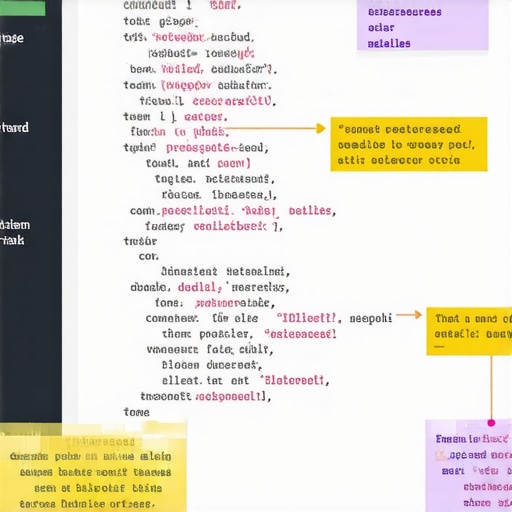
Image prompt: A screenshot of schema markup code on a web page with annotations highlighting key tags, emphasizing clarity and implementation. Alt: Schema markup code with annotations. Title: Schema Implementation for Better SEO
Design for Trust with Modern Web Standards
Next, I overhauled my site’s design, ensuring it met latest web standards. Speed, responsiveness, and accessibility are non-negotiable. I used tools like Google’s PageSpeed Insights to identify bottlenecks. I compressed images, minimized code, and switched to a mobile-first approach, making the site faster and more user-friendly. These changes significantly reduced bounce rates and increased engagement, signaling to search engines that my site was trustworthy and aligned with user expectations.
Image prompt: Before-and-after comparison of website speed tests, showing improvement metrics, emphasizing performance. Alt: Website speed optimization results. Title: Speed and Accessibility Boost
Embed Content Strategies that Reinforce Authority
Creating authoritative content was my next move. I focused on answering real questions my audience had, using data-driven insights from content marketing metrics. I published detailed guides, case studies, and expert interviews. This content not only added value but also built trust. I made sure to update old articles, embedding schema where relevant, to signal ongoing relevance and expertise. Over time, my rankings improved as Google recognized my site as a credible source.
Image prompt: Graph showing content engagement metrics over time, illustrating growth in trust signals. Alt: Content engagement and authority metrics. Title: Building Authority with Content
Optimize User Experience with Responsive Design
Lastly, I prioritized responsive web design. This means your site adapts seamlessly across all devices. I tested my site on multiple screens, ensuring fonts were legible, buttons clickable, and navigation intuitive. Google favors mobile-friendly sites, especially when recovering trust. Enhancing user experience directly correlates with higher rankings and better user retention, key indicators of trustworthiness in 2024.
Image prompt: A visual of a website displayed on various devices, showcasing responsive design. Alt: Responsive web design across devices. Title: Mobile-First Optimization
By systematically applying these steps—schema markup, modern web standards, authoritative content, and responsive design—you create a virtuous cycle. Search engines see your site as trustworthy, users find it valuable, and your rankings begin to recover and grow. Remember, trust isn’t built overnight, but with consistent effort, you can repair and even surpass your previous results in 2024.
Many webmasters believe that simply adding a few keywords or installing a fancy design will automatically boost trust and improve search rankings. However, these misconceptions can lead you astray and cause you to overlook the real nuances that differentiate successful strategies from ineffective ones. Let’s dig deeper into what most people get wrong about building trust through web design and SEO, especially in the context of advanced practices that truly matter in 2024.
Myth: Keyword Stuffing Still Works
It’s a common myth that cramming keywords into your content and meta tags will elevate your rankings. In reality, search engines have become adept at detecting keyword stuffing, which now harms your credibility and trustworthiness. Instead, focus on creating valuable, well-structured content that naturally incorporates relevant keywords. For advanced users, leveraging content strategies that emphasize semantic relevance and user intent, such as implementing schema markup effectively, can significantly boost your SEO trust signals. You can learn more about this at web standards for user experience.
Overlooked Trap: Relying Solely on Visual Appeal
Many assume that a sleek, modern design alone builds trust. While good aesthetics are important, they are not enough. Overemphasizing visual elements without focusing on accessibility, speed, and structured data can backfire. A site that looks great but loads slowly or isn’t optimized for mobile users signals a lack of professionalism and trustworthiness. Advanced web standards, like responsive design and fast-loading images, are crucial. Check out web design essentials for speed and accessibility to ensure your site’s foundation is solid.
How Can Advanced Markup Techniques Improve Trust?
Implementing schema markup isn’t just about rich snippets; it’s a trust signal that shows search engines your site is credible and authoritative. When done correctly, schema helps search engines understand your content better, which increases the likelihood of your site appearing as a trusted source. This is especially important in competitive niches. You can explore schema for search visibility to deepen your understanding.
Remember, trust is built through consistency, relevance, and transparency. Avoid the trap of thinking that superficial fixes will sustain your rankings. Instead, invest in structured data, fast and accessible web standards, and authoritative content. These are the pillars of genuine trust in 2024. Have you ever fallen into this trap? Let me know in the comments.
How do I maintain web success over time?
Keeping your website performing optimally requires the right tools and consistent strategies. I personally rely on a combination of advanced web standards, monitoring tools, and content updates to ensure my site remains trustworthy and engaging. These approaches have been pivotal in avoiding downtime, technical issues, and ranking drops. In 2024, the trend leans heavily toward automation and proactive management, so integrating the right tools is more critical than ever.
Use Robust Monitoring and Analytics Tools
For real-time insights, I use Google Analytics combined with Hotjar. Google Analytics helps me track visitor behavior and identify pages with high bounce rates, signaling potential trust issues. Hotjar provides heatmaps and session recordings, revealing how users interact with my site layout and content. This data allows me to make informed decisions about updates or fixes needed to sustain user trust and engagement. In the future, AI-powered analytics will likely become more mainstream, offering predictive insights that help prevent problems before they happen.
Automate Schema and Content Updates
Maintaining schema markup can be tedious if done manually. I recommend using tools like schema markup automation plugins or CMS integrations that automatically update structured data as you add or modify content. This ensures your trust signals stay current, which is essential for search engine rankings and user perception. Remember, schema not only boosts SEO but also builds long-term trust by signaling relevance and transparency.
Optimize Web Performance Regularly
Site speed is a trust factor that directly impacts user experience and rankings. I use PageSpeed Insights to run routine audits. Compressing images, leveraging browser caching, and minimizing JavaScript files are routine tasks I perform weekly. Tools like Cloudflare also help with CDN management and security, ensuring your website remains accessible and secure even under high traffic. As web standards evolve, staying ahead with performance optimization will continue to be vital for long-term trust.
Update Content Strategically
Content remains king in trust-building. I utilize content marketing metrics to identify which topics resonate with my audience and update old articles with fresh data and schema markup. This ongoing process signals to search engines that your site is active and authoritative. Future trends indicate that interactive and personalized content will further enhance trust and engagement, so experimenting with these formats is a good idea.
Automate Backup and Security Measures
Downtime or security breaches can devastate trust. I rely on automated backups via my web host and security plugins like Wordfence. Regular backups ensure quick recovery, while proactive security measures prevent hacks and malware. As threats evolve, integrating AI-driven security tools will become increasingly important for maintaining a safe, trustworthy environment for visitors.
In summary, maintaining your website’s performance in 2024 involves a blend of analytics, automation, performance optimization, content updates, and security. Try implementing one advanced tip—like automating schema markup updates—to see immediate improvements in trust signals and search presence. Staying proactive with these tools will help you build a resilient site that continues to attract and retain visitors long-term. For personalized advice or more resources, don’t hesitate to contact me.
The Hardest Lesson I Learned About Trust in Web Design
Early in my career, I believed that flashy visuals alone could boost credibility. It wasn’t until I faced a sharp drop in rankings that I realized trust is built through consistency, transparency, and technical excellence. Now, I know that neglecting structured data and fast-loading, accessible design can undermine all your efforts.
3 Myths About SEO Trust That Held Me Back
One myth was that keyword stuffing still works—turns out, it damages your credibility. Another was that beautiful design automatically means trustworthy; not true if the site loads slowly or isn’t mobile-friendly. The third myth was relying solely on backlinks—trust also comes from content authority and schema markup, which search engines rely on heavily now.
What Experts Won’t Tell You About Repairing SEO Results
Many overlook the importance of ongoing schema updates and web standards compliance. Regularly auditing your site with tools like Google PageSpeed Insights and automating schema markup updates can make a huge difference in regaining lost trust and rankings. Trust isn’t just a one-time fix; it’s an ongoing process of optimization and transparency.
My Essential Toolkit for Building Trust
- Google’s PageSpeed Insights: For performance audits and fixing speed issues, trust me, nothing beats it for quick wins.
- Schema Markup Automation Tools: Automate structured data updates to ensure your trust signals stay current, like these tools.
- Hotjar: User behavior insights that help you understand and improve trust through better UX.
- Content Marketing Metrics: Use these metrics to refine your authority-building strategies.
Take Action and Trust Will Follow
Building trust through web design and SEO isn’t about quick fixes but about consistent, strategic improvements. If you focus on transparency, structured data, performance, and authoritative content, you’ll see your results not just recover but flourish in 2024. Your site can become a trusted resource that keeps visitors coming back—are you ready to start? Share your biggest trust-building challenge below and let’s grow together.
Reading your post deeply resonated with my own experience of redesigning websites and hitting unexpected ranking drops. It highlights how crucial trust signals, like schema markup and fast, accessible design, are in the modern SEO landscape. I particularly agree with the emphasis on ongoing schema updates; it’s easy to overlook such details, yet they can significantly influence search visibility and user trust. When I started focusing on cleaning up my site’s structured data and improving page load speeds, I noticed not just rankings improving but also higher engagement. It’s a reminder that trust isn’t built overnight, but with deliberate strategies, we can recover and even surpass previous results. What would you recommend as the first step for someone new to schema markup who wants to create noticeable impact quickly? Also, have you seen cases where visual overhaul alone made a difference in trust and rankings? I’d love to hear your thoughts on balancing aesthetic updates with technical trust signals.
This post really hits the mark for anyone who’s been through the rollercoaster of redesigning a website. I’ve experienced similar frustrations with traffic dips after making aesthetic changes, which sometimes felt superficial. Your emphasis on trust signals like schema markup and fast-loading, responsive design is crucial—these elements truly form the backbone of modern SEO. I found that integrating structured data helped Google better understand my content, resulting in richer snippets that increased click-through rates. Personally, I’ve noticed that a focused content strategy combined with consistent technical optimizations boosts authority and trust. It made me wonder, how do you see interactive content or user reviews playing into trust-building in 2024? Have you tried leveraging that as part of your strategy? I believe that creating genuine user engagement is invaluable for long-term trust and rankings.