How to Compare Residential Snow Removal Costs Without Getting Burned
It is 3:00 AM in January. You wake up to the muffled silence that only a heavy New England snowfall provides. You look out the window and see fourteen inches of heavy, wet “heart-attack” snow burying your driveway and sidewalk. For many homeowners in Belmont, Massachusetts, and across the country, this is the moment of truth. Did you hire a professional snow plowing service, or did you roll the dice on a guy with a truck and a hand-drawn invoice?
I’m Michael Fransen. I’ve spent years in the trenches of the property maintenance industry here in Belmont. I have seen the best of the best – operators who treat a residential driveway with the precision of a surgical strike – and I’ve seen the “cowboys” who disappear the moment the mercury drops below zero. When it comes to residential snow removal, the price you pay is often a direct reflection of the risk you are willing to assume. In this guide, I’m going to pull back the curtain on how 2026 pricing works, the red flags that should make you run, and how to ensure you aren’t left stranded when the next blizzard hits.
The Current State of Snow Removal Pricing in 2026
If you feel like the quotes you are receiving this year are higher than they were three seasons ago, you aren’t imagining it. The economics of the snow industry have shifted dramatically. As we move through 2026, several macroeconomic factors are converging to drive up the cost of a reliable snow removal company.
Based on current industry data from sources like Taskrabbit and Lawnstarter, the average hourly rate for snow labor in the United States has climbed to approximately $41 per hour. However, for a professional snow plowing service, hourly rates are rarely the whole story. Most residential per-visit rates currently range between $50 and $150, depending on the region and the size of the property. For those seeking the stability of a seasonal contract, you can expect to see clusters between $300 and $1,000 for the winter season.
Why the increase? Look at the municipal level. In Saskatoon, the 2026 snow management budget has swelled to over $19 million to keep up with equipment and fuel costs. Closer to my home in Massachusetts, Boston has faced significant tax pressures, including a 13% municipal tax hike proposal, which trickles down into the overhead costs for every local snow removal company. Between the rising cost of salt – driven by supply chain shifts – and the “freeze-thaw cycle” that wreaks havoc on equipment and road surfaces, the cost of doing business has never been higher. When you see a quote, remember that you aren’t just paying for the 15 minutes a truck is in your driveway; you are paying for the readiness, the specialized equipment, and the massive insurance premiums required to operate safely.
Understanding the Three Primary Pricing Models
To compare quotes effectively, you must first understand which “language” the contractor is speaking. Not all residential snow removal contracts are created equal. Usually, they fall into one of three buckets.
Pay-Per-Plow (The “On-Demand” Model)
This is the most common model for homeowners who want to gamble on a light winter. You pay a set fee – typically $30 to $160 – every time the plow drops. The benefit is clear: if it doesn’t snow, you don’t pay. However, the downside is “priority.” During a major storm, pay-per-plow customers are often at the bottom of the list, behind the high-value seasonal contracts. If you choose this model, ensure your snow removal contractors have a clear “trigger” depth (e.g., 2 inches) so there is no ambiguity about when they show up.
Seasonal Contracts (The “Insurance” Model)
In my professional opinion, this is the gold standard for peace of mind. You pay a flat fee for the entire season. Whether we get two inches of snow or two hundred, your price remains the same. This allows a snow removal company to budget for their equipment and labor, and in exchange, you get guaranteed priority. In a heavy winter, a seasonal contract can save you thousands of dollars. It functions much like an insurance policy; you hope you don’t need it to its full extent, but you’re glad it’s there when the “Big One” hits.
Hourly Rates
Hourly pricing is less common for standard driveways but is the industry standard for a specialized snow shoveling service. If you have a complex property with intricate walkways, stairs, or a roof that needs clearing, you will likely be billed by man-hours. This is where costs can spiral if the crew is inefficient, so always ask for a “cap” or an estimated time frame before work begins.
5 Red Flags That Scream “Contractor Scam”
Every year, the Better Business Bureau (BBB) is flooded with complaints about snow contractors who took the money and ran. To protect yourself, watch out for these five warning signs:
- Demanding 100% Upfront Payment: While a deposit for a seasonal contract is standard, any contractor demanding the full amount in cash before the first flake falls is a major red flag. This is a common tactic for “fly-by-night” operations that disappear once they’ve collected enough deposits.
- Door-to-Door Solicitation During a Storm: If a guy knocks on your door while it’s already snowing, offering a “one-time deal,” be wary. Professional snow removal contractors have their routes planned weeks in advance. These solicitors often lack insurance and may damage your property with substandard equipment. Much like identifying red flags in a professional laundry service, look for consistency and professional branding.
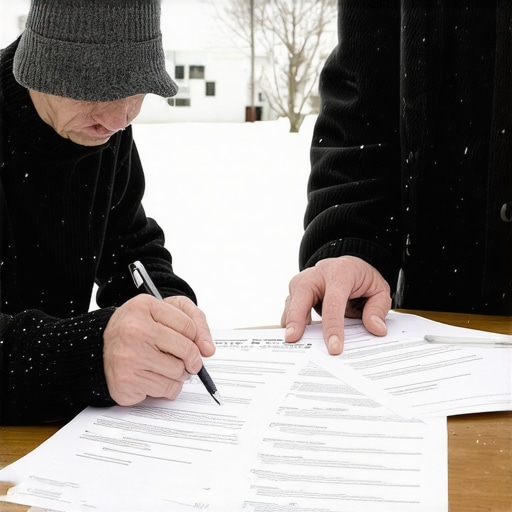
- Vague or Non-Existent Contracts: If the “contract” is a text message saying “I’ll plow you for $50,” you have zero protection. A real contract must specify the trigger depth, the use of de-icing agents, and, most importantly, liability insurance.
- No Physical Business Address: If the only way to contact your snow removal company is a burner cell phone number, you have no recourse if they clip your garage door or take out your mailbox.
- Unusually Low Bids: If three companies quote you $600 for the season and one quotes $250, they aren’t “giving you a deal.” They are likely skipping out on commercial liability insurance. In the event of a slip-and-fall accident on your property, you could be held liable for tens of thousands of dollars because your contractor wasn’t covered.
Beyond the Driveway: Factors That Inflate Your Quote
When I walk a property to provide a quote for snow plow residential services, I’m looking at more than just the square footage of the asphalt. Several “hidden” factors can drive your price up, and a transparent contractor will explain these to you upfront.
First is the driveway incline. A steep, winding driveway requires more time, more specialized tires or chains, and significantly more de-icing material. Second is the “windrow” factor. This is the heavy, icy pile of snow that the municipal street plow leaves at the end of your driveway. If your contract doesn’t explicitly include “clearing the berm” or windrow, you might find yourself shoveled in even after the plow truck has left.
Furthermore, the need for hand-work – such as clearing stairs or paths to oil tank fills – requires a snow shoveling service component that adds to the labor cost. Just as you would look for hidden fees in a decking installation quote, you should ask your snow contractor if “return trips” (coming back after the city plow passes) are included in the base price or billed as an extra.
How to Vette Snow Removal Contractors Like a Pro
Don’t just pick the first name that pops up when you search for a snow removal company. Follow this vetting process to ensure you’re hiring a legitimate professional:
- Request a Certificate of Insurance (COI): This is non-negotiable. The COI should show General Liability and Workers’ Compensation. If they don’t have it, you are the one at risk.
- Look for Commercial Experience: Even if you only need residential service, ask if they do commercial snow removal near me. Companies that handle commercial contracts (like shopping centers or office parks) usually have better equipment maintenance schedules and more robust backup plans for when a truck breaks down.
- Verify the Equipment: Ask if they use a straight blade, a V-plow, or a snowblower. For smaller residential driveways, a high-powered snowblower is often safer for the pavement than a heavy truck plow.
- Check Their Local Footprint: A company with a strong local presence is more likely to care about their reputation. You can often tell a lot about a business by how they manage their online presence. Understanding GMB optimization for service area businesses can help you identify which companies are actually invested in the local community versus those just “passing through” for the season.
When you perform searches for services ‘near me’, look for reviews that specifically mention “reliability during blizzards” rather than just “cheap prices.”
Regional Variations: From Belmont to Ogden
Snow is not the same everywhere. Here in Belmont, we deal with “Nor’easters” – storms that bring heavy, moisture-laden snow and high winds. This requires heavy-duty equipment and a lot of salt. However, if you were looking for snow removal Ogden, the challenges are different. In Utah, you might deal with “lake effect” snow or extremely dry, powdery snow that drifts significantly.
Because of these regional differences, pricing and techniques vary. A snow removal company in the mountain west might prioritize different equipment than we do on the coast. For instance, in areas with massive accumulation, snow and ice removal often involves “stacking” strategies – knowing where to put the snow so it doesn’t block sightlines or flood the basement when it melts. If you’re in that region, checking out specialized snow removal Ogden services will give you a better idea of the local standards for high-altitude snow management.
The Hidden Danger: Liability and the “Slip and Fall”
The biggest mistake homeowners make is thinking that snow and ice removal is just about convenience. It is actually about risk management. If a mail carrier, delivery driver, or neighbor slips on a patch of “black ice” on your property, the legal ramifications are staggering.
A professional snow plowing service doesn’t just push snow; they manage ice. This involves the strategic application of rock salt, calcium chloride, or liquid brine. When you are comparing quotes, look at the “Ice Management” clause. Does the contractor automatically apply salt? Is there an extra charge per bag? A “cheap” contractor who skips the salt is leaving you wide open to a lawsuit. In the world of 2026, where litigation is common, the $20 you “saved” on a plow job could cost you your home equity in a settlement. Always ensure your snow removal contractors are documented and insured.
Conclusion & Final Checklist
Hiring for residential snow removal shouldn’t be a game of Russian Roulette. By focusing on value over the bottom-line price, you ensure that your property remains safe, accessible, and legal throughout the winter months. Remember, the goal isn’t just to have a clear driveway; it’s to have the peace of mind that comes with knowing a professional is watching the radar while you sleep.
Your Pre-Winter Checklist:
- Get at least three written quotes before November.
- Verify the contractor’s physical address and COI.
- Confirm the “trigger depth” (usually 2 inches).
- Ask about “post-storm” visits for city-plow windrows.
- Ensure the contract includes snow and ice removal (salting/sanding).
Don’t wait until the first flake falls to start your search for a snow plow residential provider. The best companies fill their routes early. Take the time to vet your snow removal company now, so when the 3:00 AM blizzard arrives, the only thing you have to worry about is making a fresh pot of coffee.