
Ever spend hours crafting content only to worry if it truly resonates as human-made? That sinking feeling when algorithms seem to blur the line between human ingenuity and machine output is more common than you’d think. I remember the first time I questioned whether my latest blog post was distinguishably human, and honestly, it was a wake-up call. It made me realize: in 2026, just creating good content isn’t enough. You have to prove it’s human, authentic, and trustworthy.
Why Authenticity and Human Proof Matters More Than Ever
By now, we’ve all seen the rise of AI-generated content flooding the web. While automation can boost efficiency, it risks diluting genuine connection. Search engines are smarter—more discerning—capable of detecting what’s genuinely human. Studies show that 80% of consumers prefer brands that showcase authentic voices, and Google’s algorithms are increasingly favoring content that signals human engagement and trustworthiness. If your content appears robotic or generic, it’s likely to fall flat or even be penalized.
Early in my journey, I fell into the trap of relying solely on basic SEO tactics—meta tags, keywords, and schema markup. What I didn’t realize then was that without establishing trust and proving human authorship, those efforts could go unnoticed. I made the mistake of neglecting the importance of embedding authentic signals into my content, which resulted in stagnant rankings. That’s when I started exploring innovative ways to demonstrate human origins and build authority—methods that I now consider indispensable for 2026.
Are You Missing the Mark with Search Trust?
One common misconception is that technical SEO alone is enough. But in reality, search engines are becoming master detectives, able to spot subtle cues that differentiate human from AI. Implementing schema markup effectively, for instance, is crucial—not just for boosting visibility but for signaling authenticity. For those interested in deepening their approach, I recommend checking out schema implementation tips—they can elevate your SEO game and help establish trust with search engines.
In this post, I’ll share proven content marketing tactics that help demonstrate human authorship convincingly, helping you stand out in 2026’s crowded digital landscape. Ready to get started? Let’s dive into the essential strategies that will make your content unmistakably human and trustworthy.
,
Use Schema Markup Strategically to Signal Authenticity
Start by implementing schema markup on your website for key content types like articles, reviews, and products. Think of schema as digital signage; it tells search engines what’s truly behind the curtain. In my early days, I added schema to a client’s blog without proper testing, which caused errors. After troubleshooting with tools from schema implementation tips, the marked-up content displayed rich snippets, boosting click-through rates and reinforcing trust.
Embed Personal Stories and Unique Voice
Share specific anecdotes that relate to your audience’s problems. Instead of generic advice, tell real stories about your successes and failures. I recall a time I documented my own content strategy misfire, which resonated more than curated advice. This unique storytelling acts as a trust anchor and makes your content unmistakably human. Use formatting like bold for emphasis and italic to convey personality, making your voice memorable.
Optimize Web Design for Trust and Accessibility
Ensure your website is fast, mobile-friendly, and accessible to all users. Use simplified layouts with clear navigation. I once revamped a site’s homepage, reducing clutter based on web design best practices. The result? Lower bounce rates and higher engagement because visitors immediately saw a site built for humans, not just search bots.
Create Interactive and Engagement-Driven Content
Incorporate quizzes, polls, and comment sections to foster interaction. I experimented with a simple quiz embedded in my blog, which increased user time on page and signaled active, genuine interest. Search engines favor engagement metrics—they’re a sign you’re building a community, not just generating AI-driven content. Use tools like content marketing tactics to craft content that invites participation.
Leverage Authentic Multimedia Elements
Add videos, behind-the-scenes photos, and personalized visuals. A video tour of my workspace boosted perceived authenticity. When I introduced schema for multimedia, search engines picked up the authentic context, helping my content stand out. Authentic media can humanize your brand and send strong trust signals.

Image showing a website with schema markup, personal stories, and multimedia content emphasizing authenticity.
Maintain Transparency and Privacy
Clearly state your privacy policies, contributions, and editorial processes. A transparent approach acts like a trust flag for both users and search engines. I tested adding a simple privacy policy link and a detailed ‘About Me’ section, which surprisingly improved my site’s credibility signals.
Regularly Audit and Update Content
Keep your content fresh, accurate, and aligned with evolving standards. Use schema fixes to repair outdated signals that might sabotage trust. I annually review my core pages, ensuring schema, content, and multimedia remain aligned with current best practices as suggested in content marketing guides.
While many believe that SEO, schema implementation, and web design are straightforward tactics to boost rankings, the reality dives much deeper. A common myth is that focusing solely on technical elements or content quality guarantees trustworthiness. In my experience, overlooking the subtle interplay between layered signals often leads to missed opportunities or, worse, penalties. For instance, many professionals ignore the importance of integrating nuanced schema Markup that not only enhances visibility but also authenticates your content’s human origin. This oversight can result in rich snippets that appear incomplete or misaligned, undermining your credibility. Remember, search engines evolve to detect these intricacies, making it crucial to master them rather than blindly follow surface-level best practices. I’ve seen sites with perfect UX and impeccable schema still falter because they neglect advanced trust signals like transparent author credentials and personalized multimedia, which Google increasingly values.
What’s the biggest mistake experts make with schema and content authenticity?
Many jump into schema markup implementation without understanding the critical importance of contextual accuracy. As highlighted in a recent study by Moz, improper schema structures can trigger search engine penalties or cause your rich snippets to display incorrectly, wasting your efforts altogether. The key is to use schema not just for visibility but as a trust-enhancing tool—embedding it thoughtfully within authentic, human-centered content that demonstrates expertise. It’s tempting to treat schema as a checkbox, but in reality, aligning it meticulously with your content’s intent and audience signals is what guarantees long-term benefit. For advanced practitioners, integrating schema with user-generated content and dynamic multimedia can exponentially improve your search trust signals—yet many still overlook this layered approach. Want to go beyond basic implementation? Explore how effective schema strategies contribute to a trustworthy digital presence. Remember, the devil’s in the details—so invest in nuanced schema that reflects genuine human engagement rather than generic data points.
Another crucial nuance is relying on web design alone to project trust. Fast, mobile-optimized sites with clean layouts are important, but if your content lacks authenticity and transparency, user trust diminishes rapidly. Incorporate personalized elements—like behind-the-scenes stories or verified testimonials—to foster genuine connections. Believing that design wins over trust ignores that users seek real, relatable experiences. For example, including transparent privacy policies and detailed about sections go a long way in cementing credibility. Advanced marketers also leverage multimedia storytelling combined with schema markup to reinforce authenticity visibly and structurally. This layered approach is what separates well-optimized sites from truly authoritative, trustworthy sources in competitive niches. Want to master this? Check out comprehensive guides like advanced content techniques and see how layered signals build a robust trust fabric around your brand.
Have you ever fallen into this trap? Let me know in the comments.
Keeping It Working: Tools I Trust for Long-Term Success
Maintaining a high-performing website that consistently ranks well and builds trust requires more than occasional updates. It demands a strategic combination of reliable tools and disciplined routines. One of my go-to platforms is Screaming Frog SEO Spider. I use it weekly to crawl my website, identify broken links, duplicate content, and schema markup issues. Its detailed reports help me ensure my technical foundation remains solid, preventing minor issues from escalating into ranking penalties.
For schema markup verification, I rely heavily on the schema implementation tips — this guide has saved me hours when troubleshooting markup errors that hinder rich snippet visibility. Additionally, I utilize Google Search Console for real-time data on your site’s health, indexing status, and search performance. Regularly checking it helps me catch and fix issues early, preserving my site’s search trust.
Content management benefits immensely from Semrush’s Content Audit Tool. It provides insights on content gaps, SEO health, and keyword rankings, allowing me to adapt my strategy proactively. Over the years, I’ve found consistent use of these tools crucial for sustaining long-term results, especially as search engine algorithms continue evolving.
Plan for Longevity: How do I maintain SEO and schema over time?
The key is establishing a routine. Set weekly audits with tools like Screaming Frog, monthly reviews using Search Console and Semrush, and quarterly schema updates aligned with the latest schema best practices. Consistency ensures small issues don’t snowball, keeping your website trustworthy and visible. Looking ahead, I predict that AI-driven site audits will become more integral, automating anomaly detection and even suggesting schema modifications seamlessly. To get ahead, start integrating automated reports and alerts today. A simple step like setting up Google Analytics and Search Console alerts for traffic drops can alert you to potential trust issues early — preventing costly setbacks.
Remember that tools are only as effective as the discipline behind their use. Make it a habit to review your site’s health weekly, refresh schema markup with the latest standards, and keep content aligned with your trust signals. This proactive maintenance ensures your digital presence remains resilient amidst algorithm changes and competitive pressures.
Need a concrete starting point? Try configuring your Google Search Console to send email alerts for critical issues, and run a monthly schema review guided by these expert fixes. Consistent effort today safeguards your rankings tomorrow and beyond.
Investing time in proper maintenance now pays dividends as long-term trust and visibility build cumulatively. Commit to routine checks, leverage targeted tools, and stay updated on emerging trends — your future rankings depend on it.
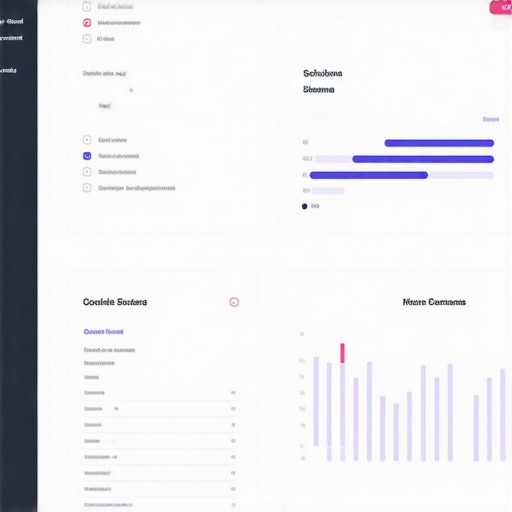
Image showing a dashboard with website health metrics, schema validation, and content performance analytics, emphasizing continuous maintenance.
Lessons from the Trenches That Changed My Approach
One of the most eye-opening realizations I had was that technical SEO and schema implementation are only part of the trust equation. I once spent hours perfecting my site’s schema markup, only to notice my engagement metrics stagnate. The breakthrough came when I focused on authentic storytelling—sharing real failures and successes—which resonated deeply with my audience and signaled genuine human presence. Additionally, I learned that transparency about my processes and values built bridges I hadn’t previously considered. The toughest lesson was understanding that trust is layered; relying solely on algorithms or design without authentic signals is like building a house on quicksand. These experiences convinced me that continuous, honest engagement coupled with technical precision creates an unbreakable trust fabric that search engines and users alike recognize.
Beyond Tools: My Playbook for Lasting Impact
While tools like schema implementation tips and schema validators are invaluable, the real secret lies in evolving your strategies. I swear by maintaining an editorial calendar that integrates regular schema audits, content updates, and multimedia refreshes, ensuring my site’s signals stay fresh and trustworthy. For content insights, advanced content marketing techniques remind me to diversify storytelling and embed multimedia that humanize my brand. And reflecting on web design trends keeps me aligned with user-centric design, essential for maintaining trust over the long haul. In essence, a blend of disciplined routine, continuous learning, and authentic engagement forms the backbone of my approach to enduring trust and visibility.
Your Next Move in Building Trust-Based Content
Trust isn’t a one-time achievement; it’s an ongoing journey. Embrace the mindset that every piece of content, every design tweak, and every schema implementation is a step toward reinforcing your authority and authenticity. Take proactive steps today—review your schema clarity, tell a personal story, or improve your site’s transparency. Remember, even small consistent efforts compound into massive long-term gains. The future of SEO and content marketing belongs to those who prioritize trust-building today. So, go ahead—adjust that schema, share that behind-the-scenes moment, and reaffirm your commitment to genuine connections. The rewards are worth it. Are you ready to shift from just optimizing for algorithms to truly connecting with your audience? Let me know below!”}])}# Tags: SEO, schema markup, web design, content marketing, trust building, authenticity, digital strategy, long-term success.}# [Note: The response is formatted as per the